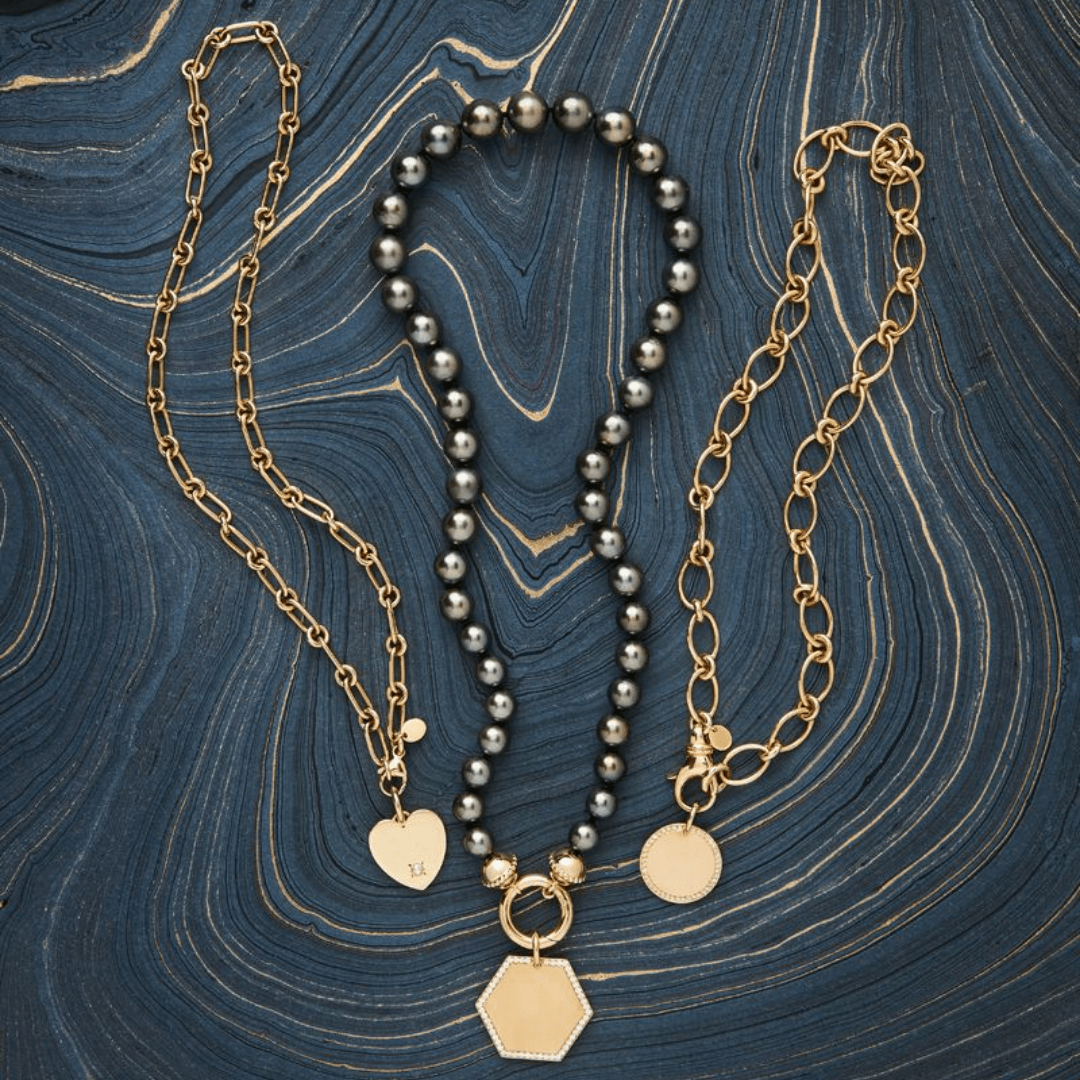

ANTIQUE DIAMONDS IN VINTAGE-INSPIRED SETTINGS
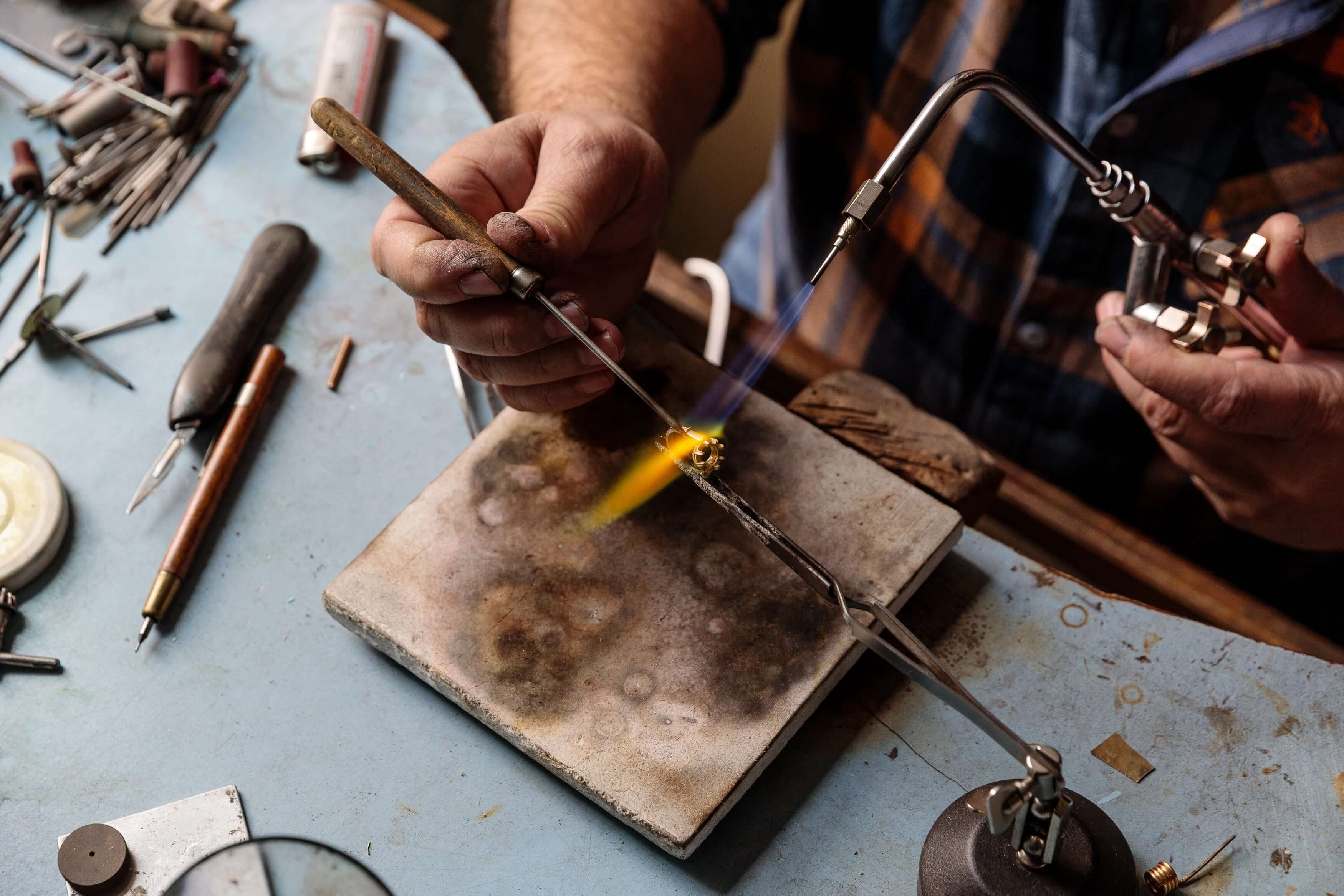
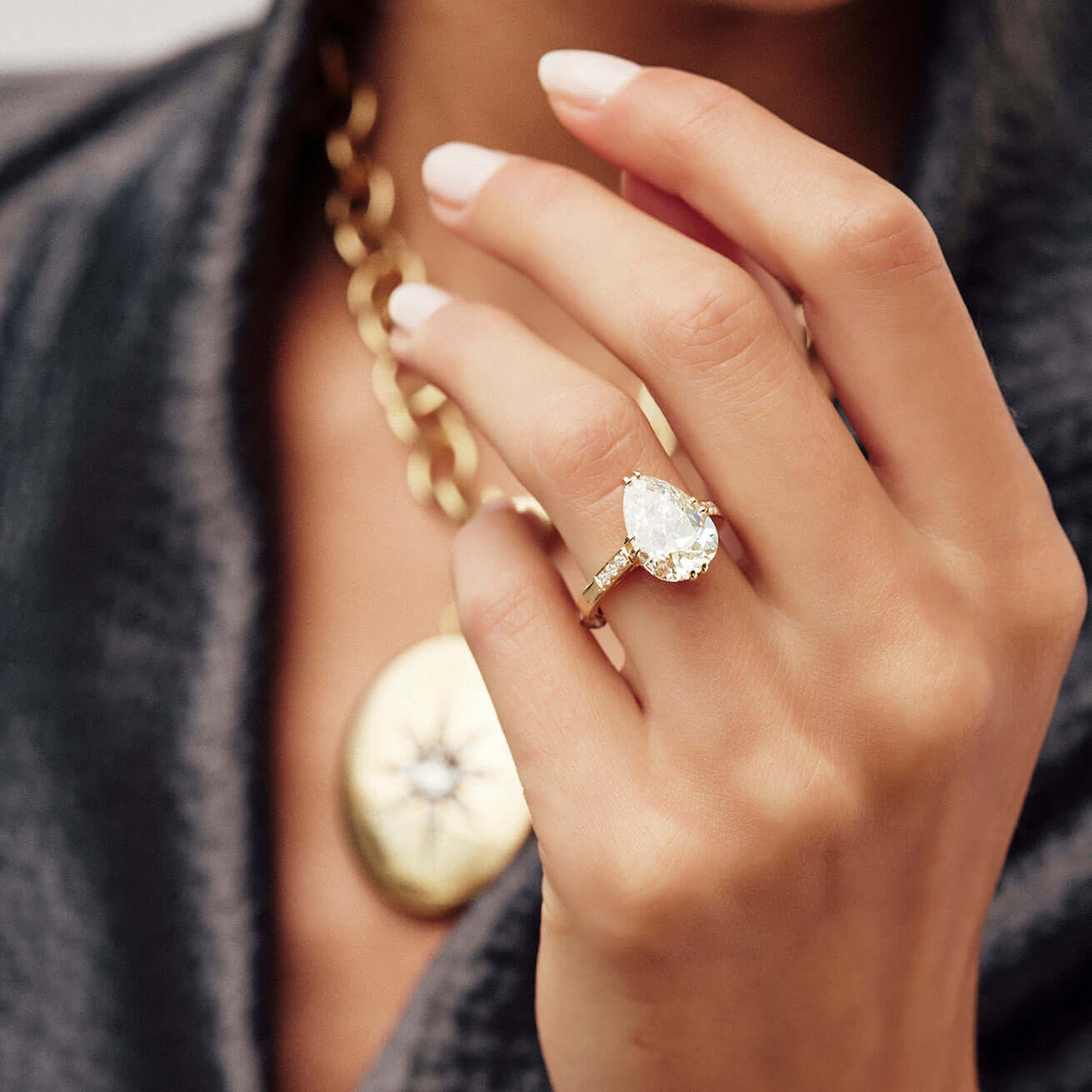
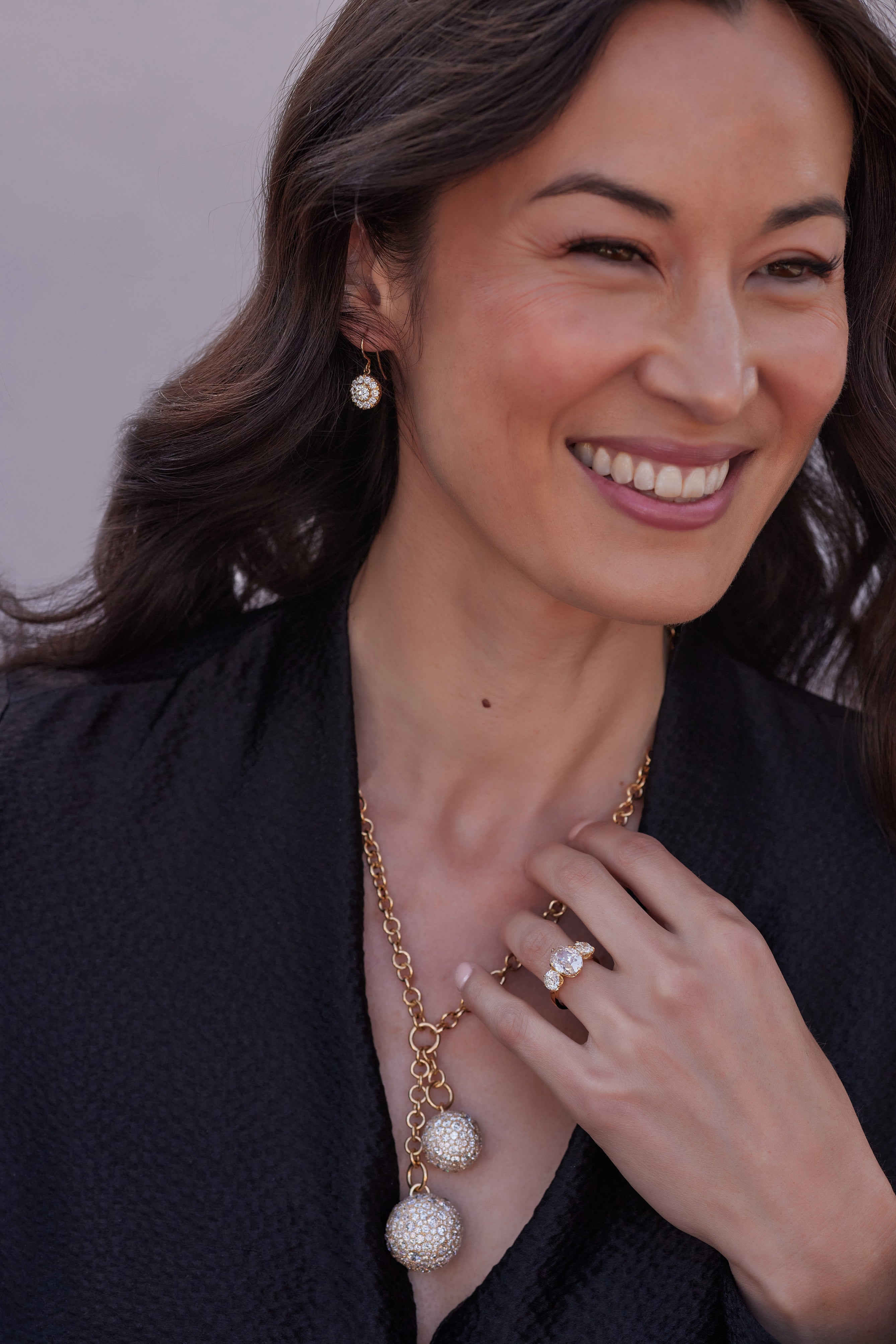
Working primarily with antique diamonds, our stones are set by hand into our signature vintage-inspired designs by expert jewelers in the heart of Los Angeles.
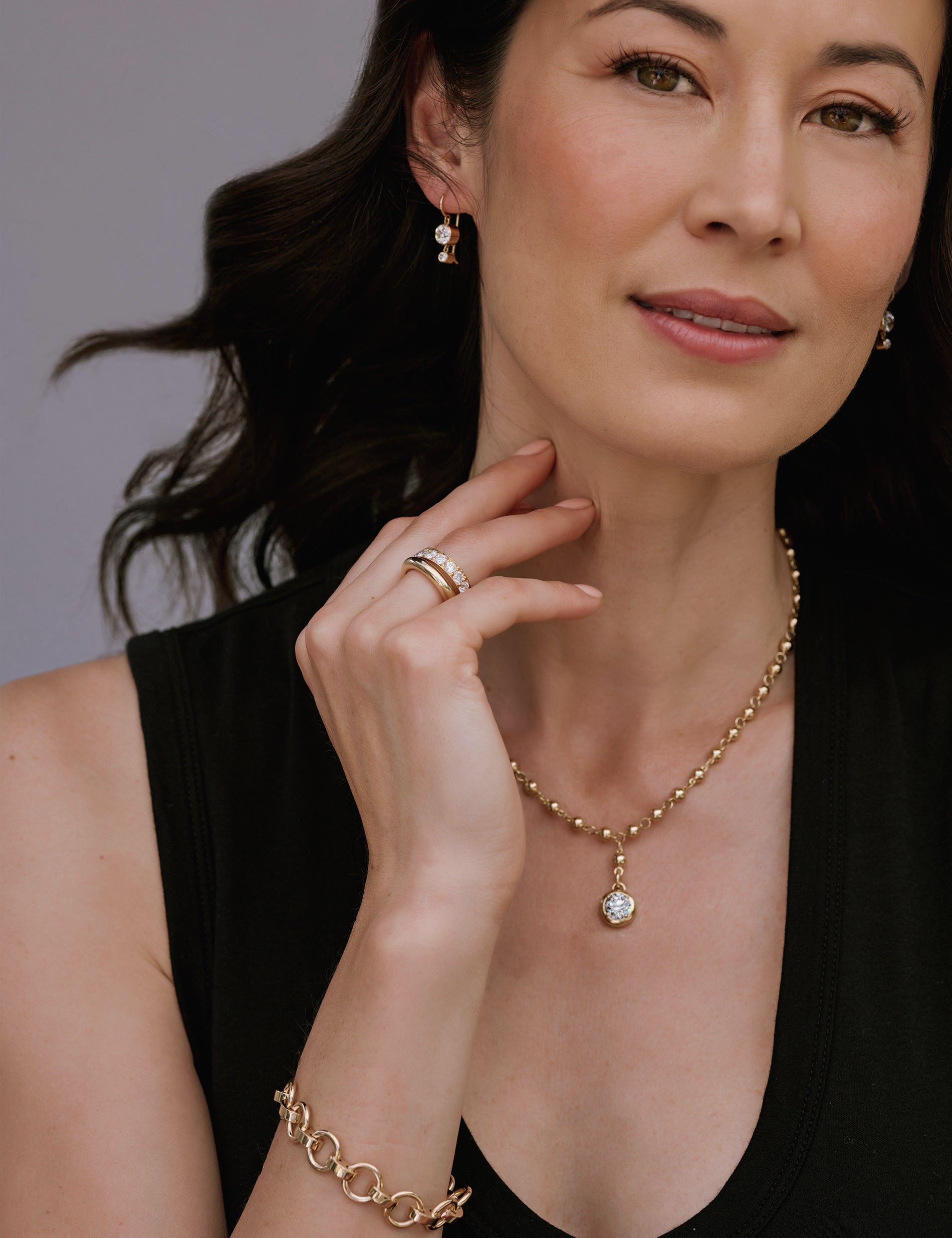
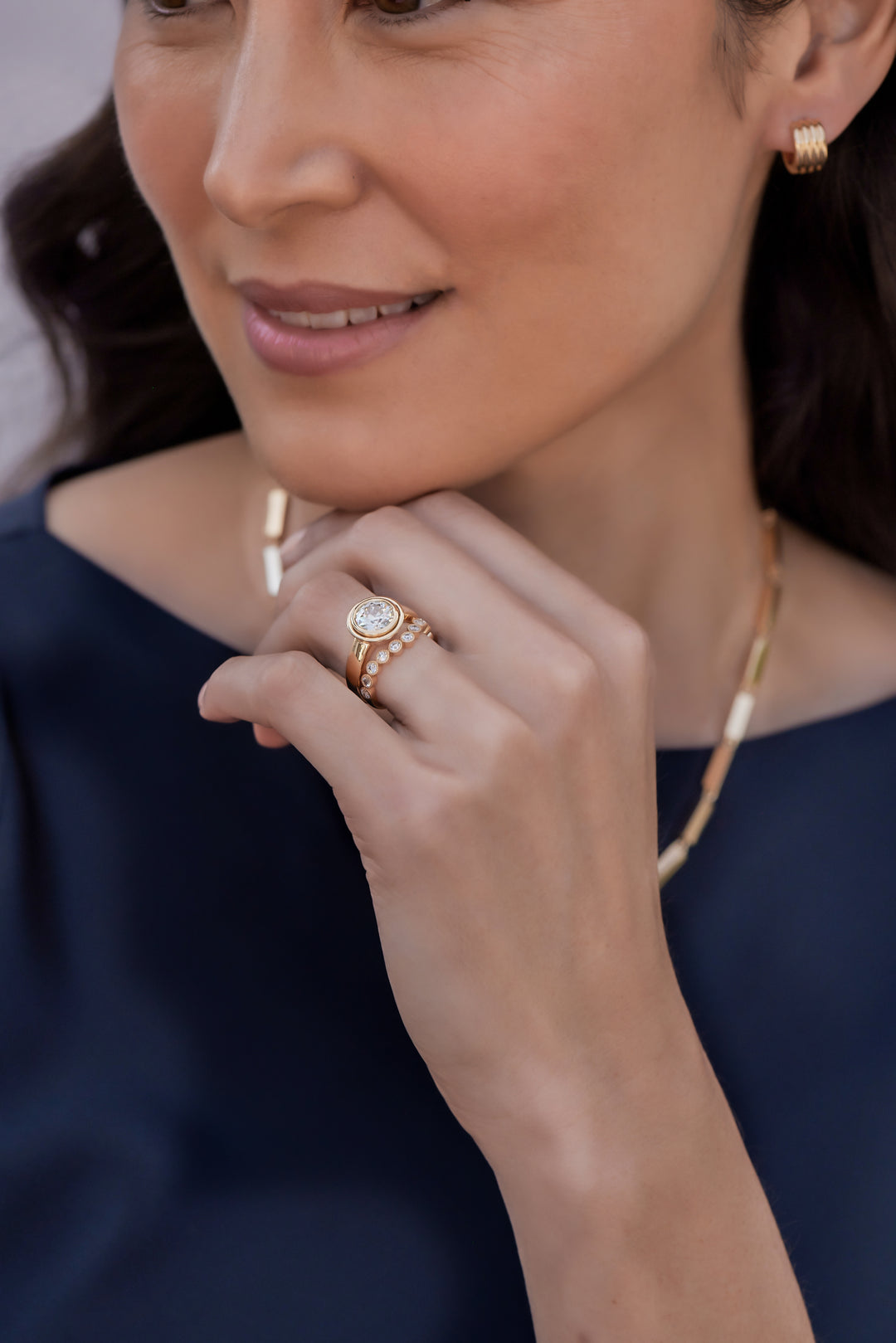
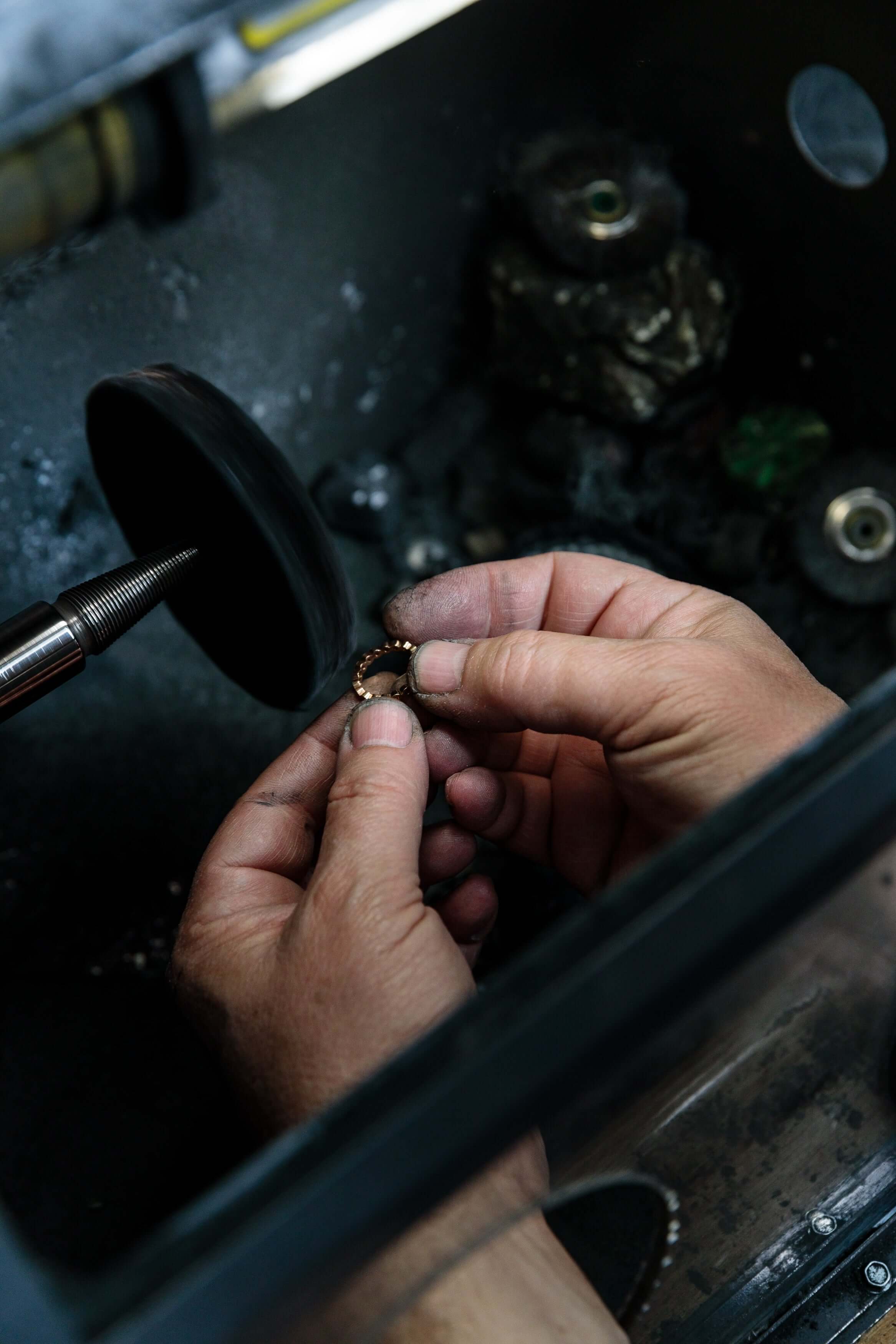
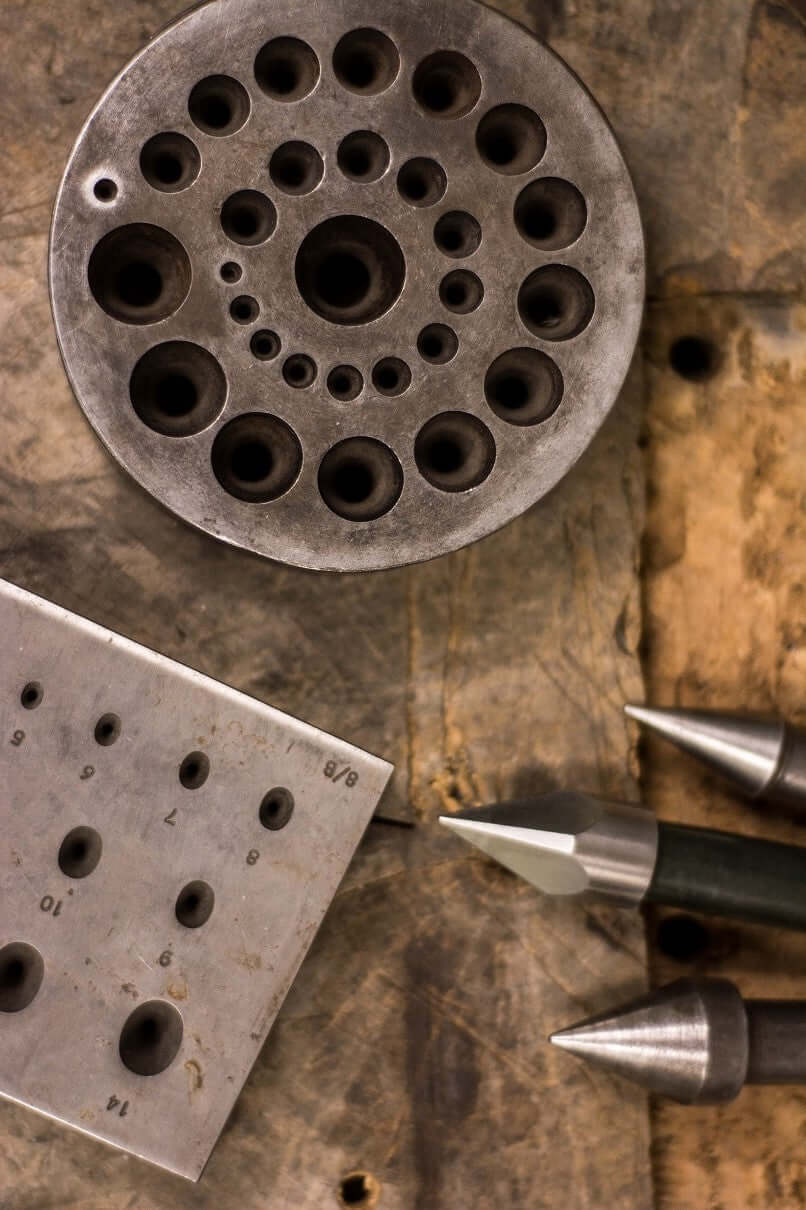
unparalleled crafstmanship
Antique and responsibly-sourced stones, recycled metals, and contemporary design come together in a marriage of perfect harmony. Handcrafted by our skilled artisans, the result is modern heirlooms to be worn, cherished and treasured.

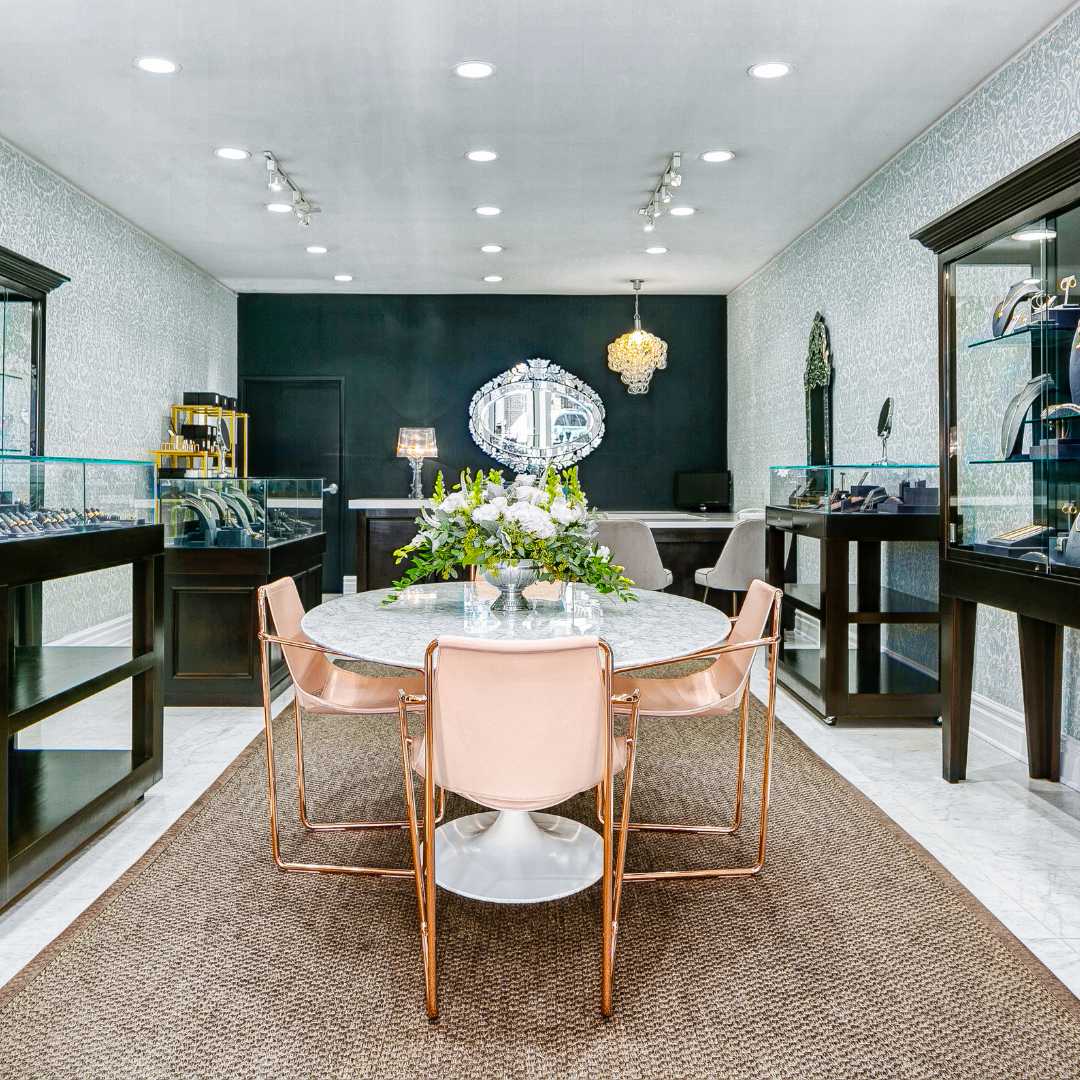
single stone-san marino
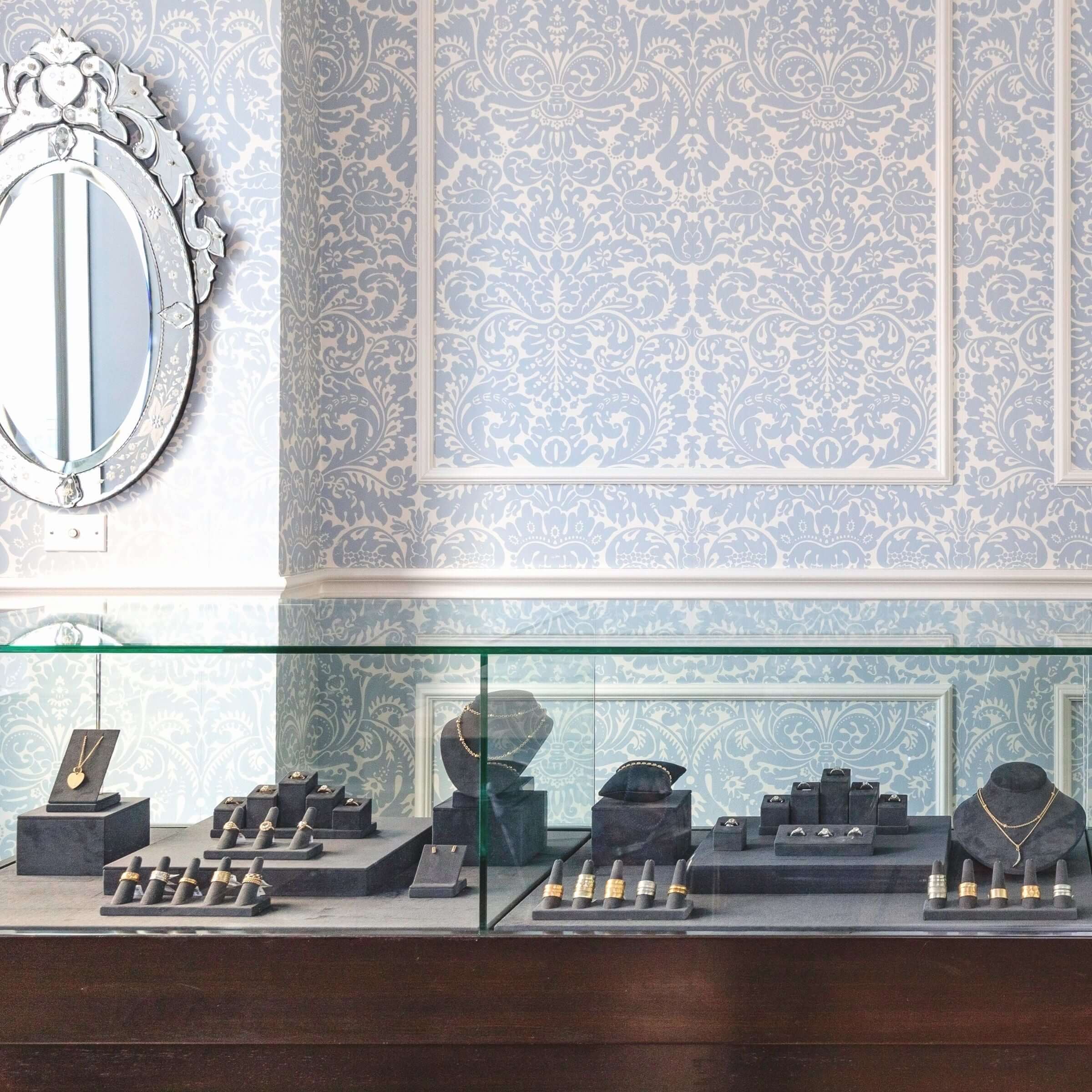
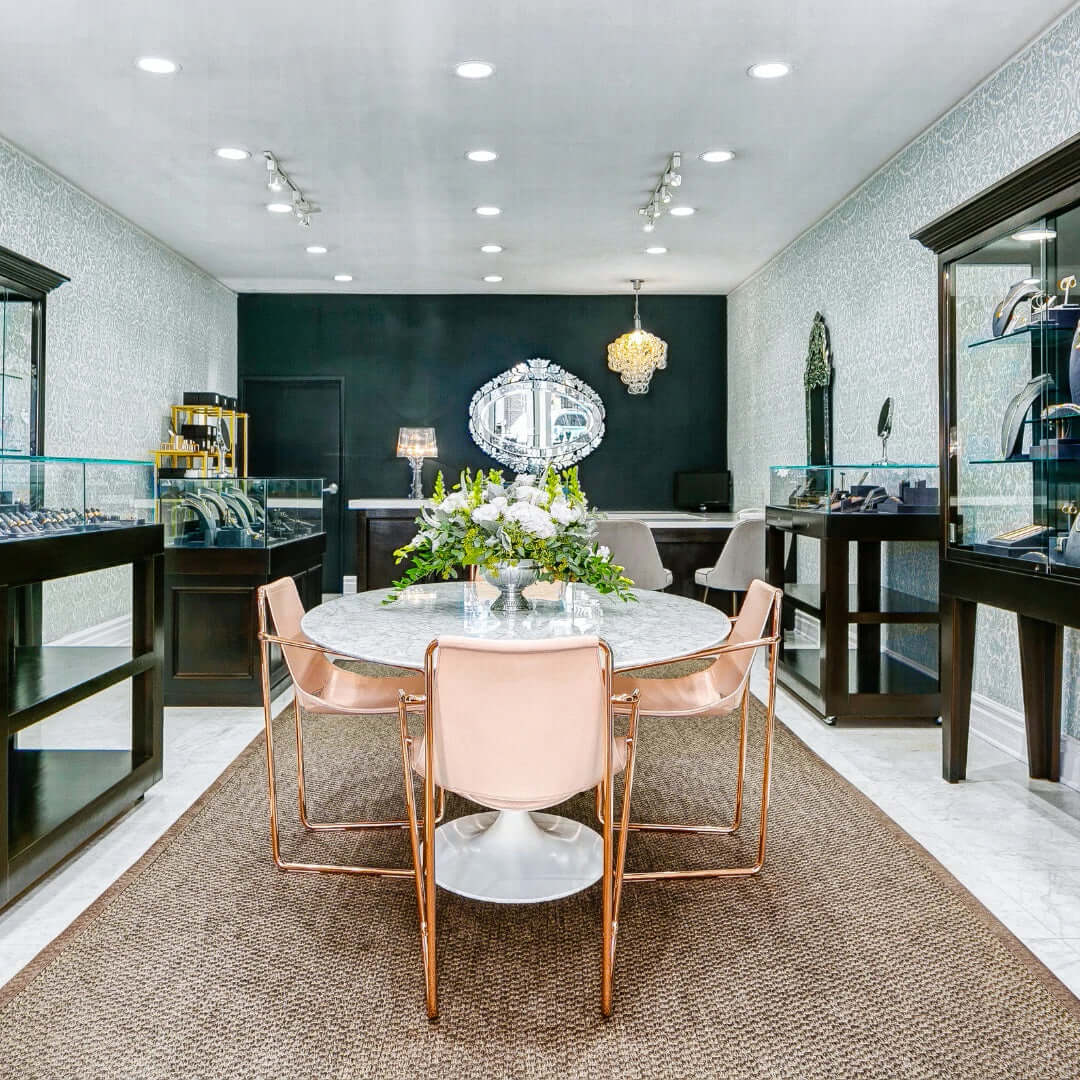
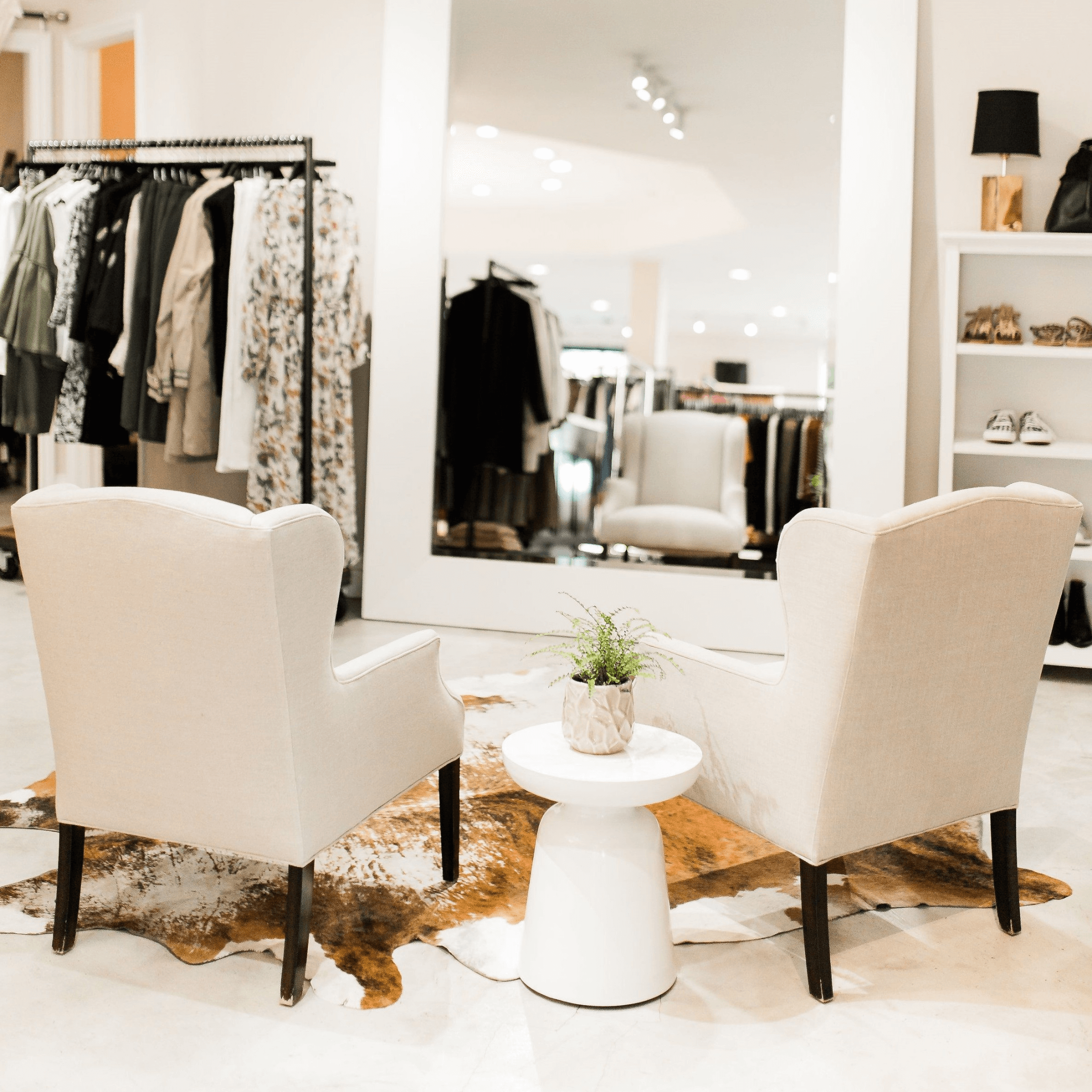
Featuring an extensive selection of the Single Stone collection alongside some of the most sought after, contemporary jewelry designers. Single Stone San Marino is the jewel box to visit for timeless jewels with a modern twist. Located just outside of Pasadena, California in an idyllic neighborhood featuring shops and dining and just down the street from our lifestyle store Serafina.
From the #SingleStoneStyle blog
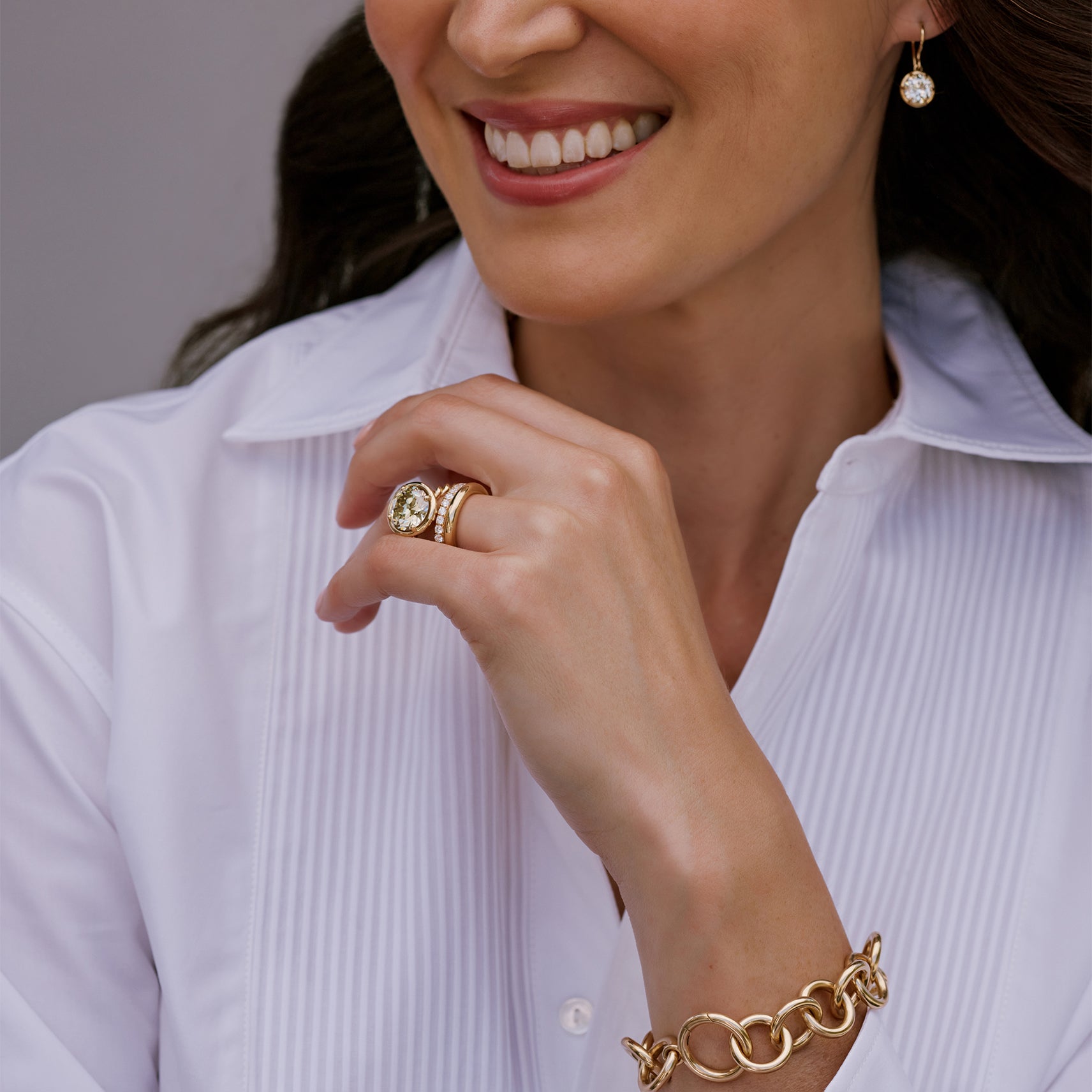
Debuting Our New Collection
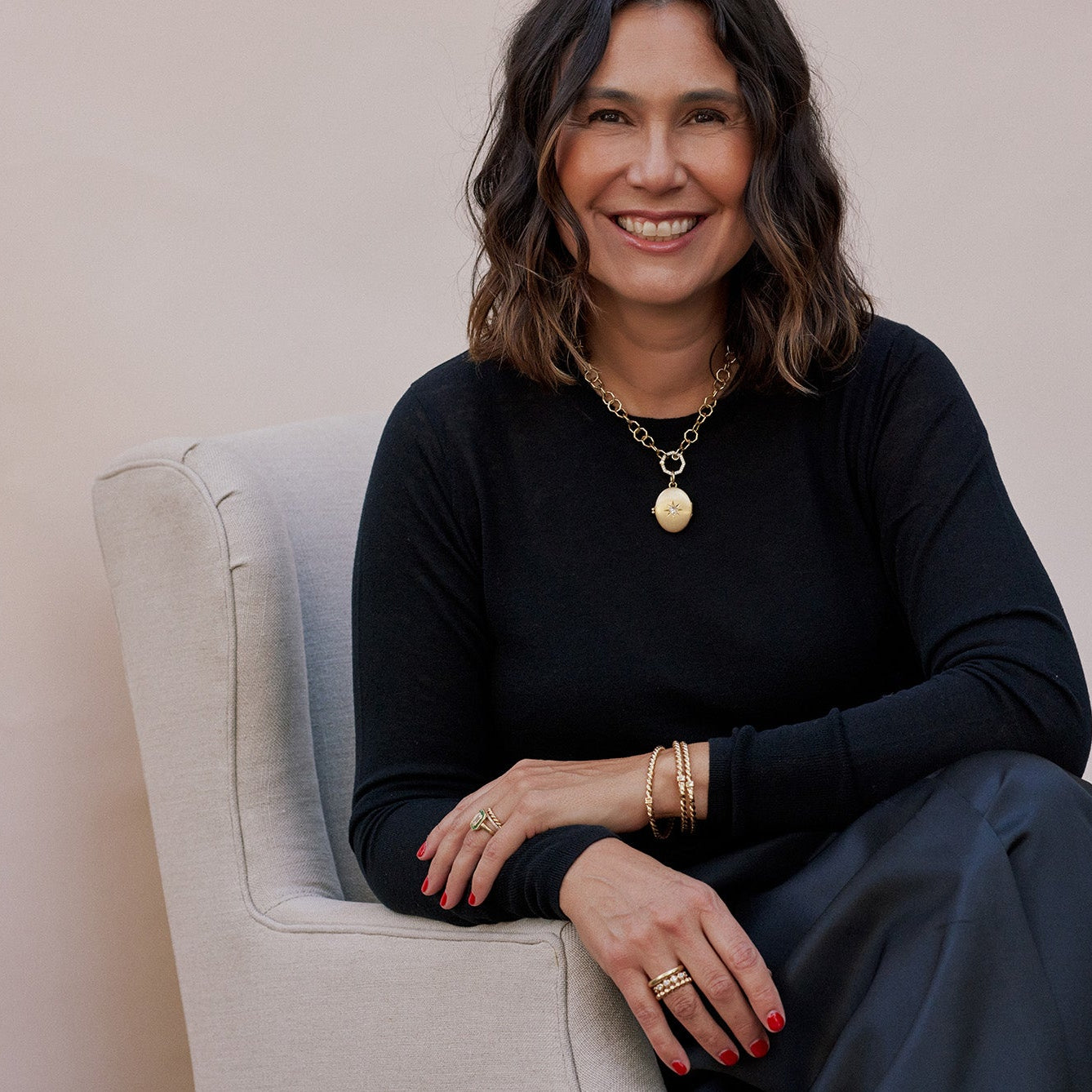
Real Women Wear Single Stone | Corina
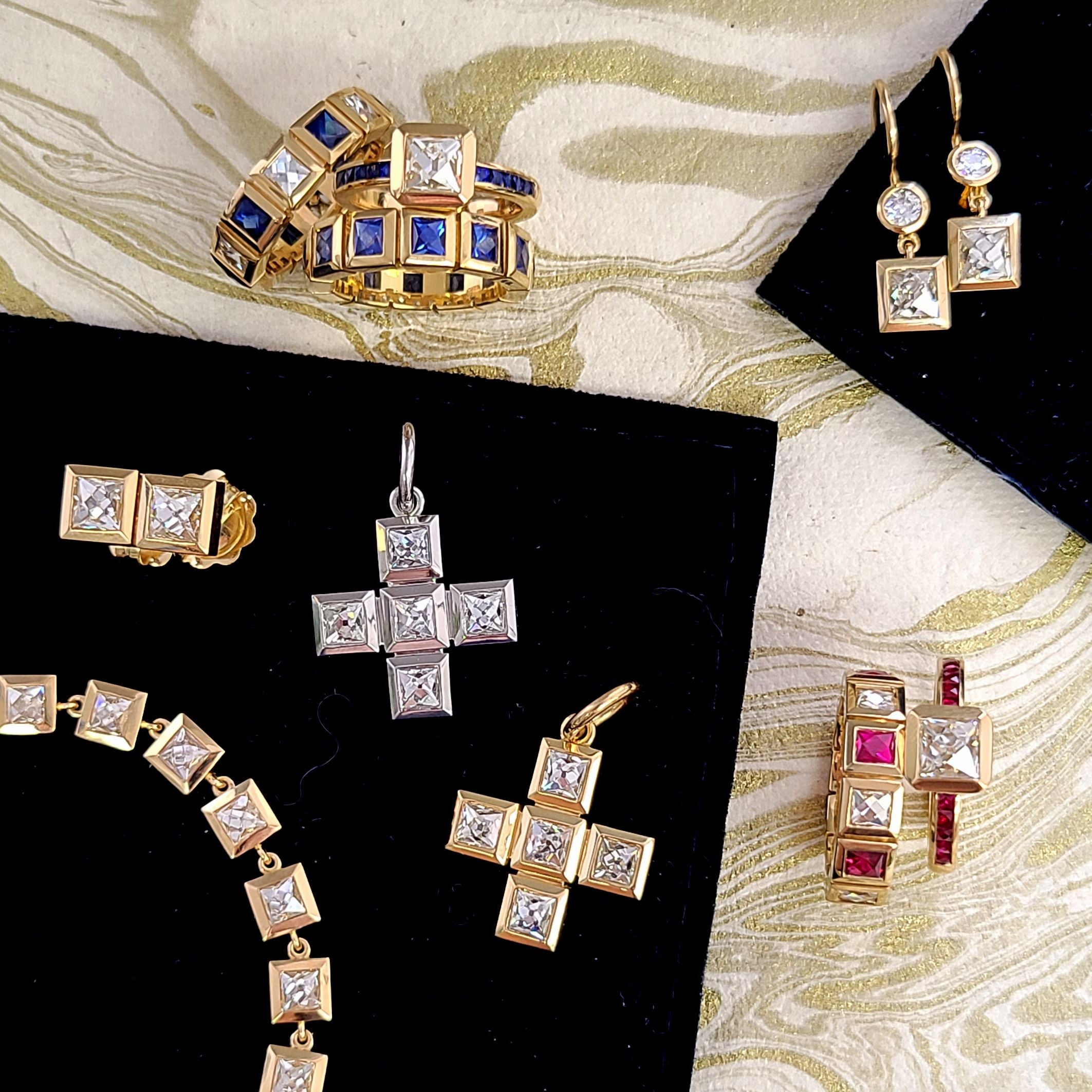
Karina: An Ode to French Cuts